Shopify got Tango'd
Most people think of Shopify as a checkout. Add to basket, pay, done. But a growing number of the brands we work with do not sell to the public at all. Their products reach shoppers through supermarkets, marketplaces and wholesalers, and their website has a completely different job to do.
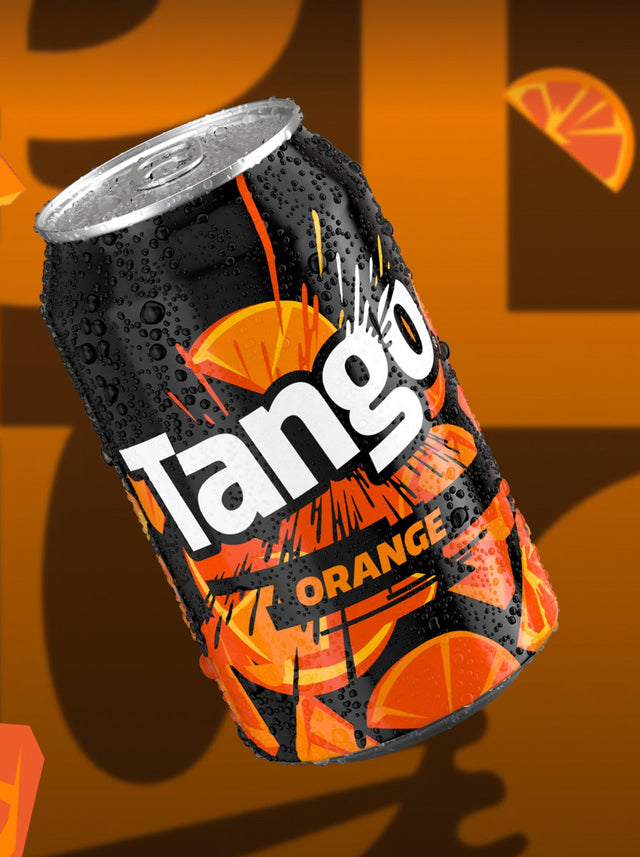
We built tango.co.uk on Shopify, and it is a good example of what that looks like in practice.
When the basket is not the goal
Tango is stocked everywhere. Nobody is visiting the site to order a single can. The buying decision happens in a shop aisle or on Amazon, so the site is there to do the work that happens before and around that moment: introduce the range, carry the brand personality, and hand the visitor off to wherever they actually want to buy.
That changes the brief. Instead of optimising a funnel, you are optimising for recognition, product discovery and a clean exit to retail. Every "Buy Now" on the site points outward to Amazon, Iceland and other stockists rather than into a cart.
Why still use Shopify?
It is a fair question. If you are not taking payments, why not a straightforward CMS?
- Products are still products. A drinks range has variants, imagery, descriptions and constant new launches. Shopify's product model handles that far better than a page builder, even when the checkout is switched off.
- Marketing teams can run it. Adding a new flavour is adding a product, not briefing a developer.
- The route to selling direct stays open. Brands change their minds. A limited edition drop or a merch line can be switched on without rebuilding the site.
- The ecosystem comes free. Social feeds, analytics and email tools plug straight in.
Keeping it simple on purpose
The navigation on Tango is three items. Home, Shop, Contact. There are no filters, no account area, no long category tree, because none of it earns its place.
What is there instead is brand. Full width video at the top, the range laid out with room to breathe, and an Instagram feed at the bottom doing what a product carousel cannot, which is showing the brand as its audience actually experiences it.
The takeaway
If your products sell through retail, your site is a brand asset with a signposting job, not a shop. Build it that way. Choose the platform for how the content will be managed over the next three years, not for a checkout you are never going to use.
Working on something similar? Get in touch and we will talk it through.